Candidates for Upcoming Elections - AASPD

2026 AASPD Council Candidates
Listed Alphabetically by Last Name
Candidate for President-Elect
Candidate for Secretary
Candidates for Councilor – Critical Care
Candidate for Councilor – CT Anesthesia
Candidates for Councilor – Obstetrics
Candidate for Councilor – Pain Medicine
Candidate for Councilor – Pediatrics
Candidates for Councilor – Regional Anesthesia
- Bradley M. Budde, MD
- Brett Elmore, MD
- Kellie Jaremko, MD, PhD
- Mandip Singh Kalsi, MD
- Carolyn Thai, DO
Candidate for President-Elect
 Brian Allen, MD, FASRA
Vanderbilt University Medical Center
Why are you interested in running?
I have learned so much from my time attending SAAAPM meetings and now serving on the council. This organization provides peerless guidance, camaraderie, and networking to a bevy of stellar individuals with knowledge and wisdom to share. The impact that interactions other AASPD members have had on me is hard to quantify. The cross pollination that occurs at this conference has directly led to improvements in my own program, as well as helping me and others in regional anesthesiology distribute a common application, found a fellowship directors group with legal recognition and formal bylaws and processes, and create a national regional anesthesia curriculum in a question-based format. I would love the opportunity to continue to give back to this special organization. I hope you can trust me to uphold the AASPD’s high standards and to continue to pay it forward.
Bio
Brian Allen is a husband, father, educator, assistant scoutmaster, and Professor of Anesthesiology in Nashville, TN at Vanderbilt University Medical Center (VUMC). He received a bachelor’s degree and medical degree from Washington University in St. Louis in 2002 and 2006, respectively. He completed Anesthesiology residency at VUMC in 2010 and a Regional Anesthesiology and Acute Pain Medicine fellowship at Oregon Health and Science University in 2012. He joined the faculty at Vanderbilt in 2012 where he has been highly involved in education, leading the Acute Pain Service and Perioperative Medicine resident rotations and directing the Acute Pain Service for several years. Since 2016, Dr. Allen has served as the program director for the Regional Anesthesiology and Acute Pain Medicine Fellowship, achieving ACGME accreditation. He recently received VUMC’s R. Michael Rodriguez Award for Teaching Medical Students, Residents and/or Fellows in the Clinical Setting.
Dr. Allen has pursued the use of technology platforms to amplify and crowd-source educational and administrative efforts. Nationally, he serves as a question author, editor, and committee member for the American Board of Anesthesiology (ABA) Maintenance of Certification (MOCA) program. Since joining the AASPD where he is a Councilor, he has adapted and developed a common application used by the majority of RAAPM fellowships. He co-wrote the bylaws and was the founding Secretary-Treasurer for the Regional Anesthesiology Fellowship Directors Association (RAFDA).
Candidate for Secretary
 Stephanie N. Grant, MD, FAAP
Emory University School of Medicine
Why are you interested in running?
After serving two two-year terms as the AASPD Councilor for Pediatric Cardiac Anesthesiology, I am excited to run for AASPD Secretary. In this role, I plan to continue to advance the mission of AASPD while representing all subspecialty fellowships. Through collaboration with other AASPD leaders, I will help develop educational resources to support the role of subspecialty program directors and other fellowship leaders.
Bio
Dr. Stephanie Grant is an Associate Professor of Anesthesiology and Pediatrics at Emory University School of Medicine and Children’s Healthcare of Atlanta. She is a Pediatric Cardiac Anesthesiologist and is the Program Director of the Pediatric Cardiac Anesthesiology Fellowship at Emory. She is the Chair of the Pediatric Cardiac Anesthesiology Program Directors’ Committee of the Congenital Cardiac Anesthesia Society as well as a Board Member of CCAS. She has led multiple national educational initiatives to support education and program development in Pediatric Cardiac Anesthesiology Fellowships. Dr. Grant has served as the AASPD Councilor for Pediatric Cardiac Anesthesiology for the last four years.
Candidates for Councilor – Critical Care
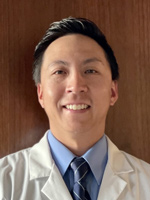 Dustin Hang, MD
Medical College of Wisconsin
Why are you interested in running?
I am seeking the position of Councilor for Critical Care because critical care is where I believe organized anesthesiology has the greatest opportunity to lead — and the greatest responsibility to get right. As Program Director of the Anesthesiology Critical Care Medicine Fellowship at the Medical College of Wisconsin and a staff intensivist in a tertiary CVICU at Froedtert Hospital, I have watched firsthand how critical care anesthesiology is evolving faster than the training pathways, practice guidelines, and professional advocacy built around it. I want to bring that day-to-day clinical and educational perspective to the Council, so that the decisions we make reflect what is actually happening in ICUs rather than what was true even just a decade ago.
If elected, my priorities would be threefold: first, to strengthen pathways and mentorship that draw residents and fellows into critical care at a time when nationally a third of anesthesiology critical care fellowship positions go unfilled each year; second, to promote practice standards around emerging tools such as point-of-care and critical care echocardiography that are rapidly becoming core competencies rather than optional skills; and third, to serve as a bridge between our critical care members and the broader multidisciplinary ICU community, building on the collaborative work I already do at the national level. I want members to see the Council as a resource that is actively working on the problems they face at the bedside and at the program level, and I would welcome the opportunity to help make that true.
Bio
I am an Associate Professor in the Department of Anesthesiology at the Medical College of Wisconsin (MCW), where I practice in the Divisions of Critical Care Anesthesiology and Cardiac Anesthesiology. I earned my bachelor's degree in Molecular Cell Biology from the University of California, Berkeley, and my medical degree from Case Western Reserve University School of Medicine. After a year in an integrated cardiothoracic surgery residency at MCW and completing a research fellowship in cardiovascular surgery at Mayo Clinic, I returned to MCW to complete my Anesthesiology residency followed by fellowships in Critical Care Medicine and Adult Cardiac Anesthesiology. I am board certified in Anesthesiology, Critical Care Medicine, and Adult Cardiac Anesthesiology by the American Board of Anesthesiology, and I hold Advanced Perioperative and Critical Care Echocardiography certifications from the National Board of Echocardiography.
I serve as Program Director of the Anesthesiology Critical Care Medicine Fellowship at MCW. I care for critically ill cardiac patients, including those on ECMO/MCS, in the Cardiovascular Intensive Care Unit and operating rooms of Froedtert Hospital and the Clement J. Zablocki VA Medical Center. I am the Physician Lead for the Practice Subcommittee of Froedtert Hospital's Critical Care Platform. In addition, at the VA, I care for a mixed group of critically ill patients in the Surgical Intensive Care Unit. I have completely restructured my fellowship's curriculum (including the addition of a POCUS lecture series to prepare fellows for NBE board certification) and built a critical care track within the core residency to grow interest in the specialty. Nationally, I serve as Vice Chair of the Research Subcommittee of the Society of Critical Care Medicine's Anesthesiology Section and am a member of the Society of Critical Care Anesthesiologists' Program Director Advisory Council and the Cardiothoracic Critical Care Consortium. I have authored more than 40 peer-reviewed publications and continue to be productive.
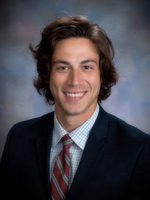 Sofiane Lazar, MD
Thomas Jefferson University Hospital
Why are you interested in running?
I'm running for Councilor of Critical Care because being a fellowship program director right now is both incredibly rewarding and undeniably difficult, and we need practical, ground-level advocacy at the national level. At Jefferson, I’m constantly trying to solve the puzzle of balancing high-yield clinical exposure in the CVICU with the real-world administrative hurdles of fellow scheduling and well-being. I want to bring that perspective to the AASPD to help build sustainable training models and share straightforward strategies that actually make life easier for program directors across the country.
Bio
I’m an anesthesiologist and intensivist at Jefferson, where my clinical time is split between the Cardiovascular Intensive Care Unit and the OR, focusing heavily on adult cardiac anesthesia and cardiac EP cases. I also serve as the Program Director for our Anesthesiology Critical Care Fellowship. My day-to-day involves not just patient care, but deeply engaging in the structural side of education—like mapping out 13-block CVICU rotation schedules and lecture calendars that actually work for our incoming fellows. My main goal is to figure out how we can deliver top-tier critical care education while keeping our operational workflows realistic and sustainable.
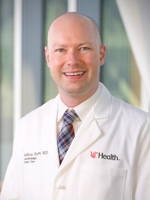 Joshua Trester, MD, FASA
University of Cincinnati
Why are you interested in running?
I am seeking the position of Councilor for Critical Care because I would welcome the opportunity to represent and support Anesthesiology Critical Care fellowship programs within AASPD. As a current ACCM Fellowship Program Director, I have developed a strong interest in the challenges shared by critical care program directors, including fellow recruitment, curriculum development, mentorship, multidisciplinary training, and maintaining high-quality education within an evolving clinical and regulatory environment.
If selected, I would aim to strengthen communication and collaboration among critical care program directors, help identify and disseminate effective approaches to common educational and administrative challenges, and ensure that the perspective of Anesthesiology Critical Care training programs is well represented within AASPD. My experience leading fellowship education, developing multidisciplinary clinical programs, mentoring trainees, and working across institutional and larger critical care organizations would allow me to bring a practical program-director perspective to the Councilor role.
Bio
Joshua Trester, MD, FASA, is an academic Anesthesiologist and critical care physician at the University of Cincinnati, where he serves as Program Director of the Anesthesiology Critical Care Medicine Fellowship. He completed Anesthesiology residency at the University of Cincinnati and fellowship training in Anesthesiology Critical Care Medicine at The Ohio State University. He is board certified in Anesthesiology and Critical Care Medicine and has been appointed Associate Professor of Clinical Anesthesiology at UC effective September 1, 2026.
Dr. Trester’s clinical and academic interests include cardiovascular critical care, ECMO/ECLS, burn critical care, thoracic anesthesiology, and fellow education. He previously has served as Director of Thoracic Anesthesiology at UC, and as Lead Burn Intensivist/Critical Care Liaison to the Burn Surgery Team at UC, where he contributed to multidisciplinary care pathways, team development, and the institution’s 2023 verification as an ABA Adult Burn Center. He previously (2023-2026) served three years on the Executive Board as Member-At-Large for the Ohio Chapter of the Society of Critical Care Medicine.
Candidate for Councilor – CT Anesthesia
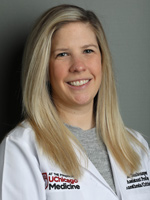 Danisa Daubenspeck, DO
University of Chicago Hospital
Why are you interested in running?
I am running for the role of councilor for CT anesthesiology because I am committed to strengthening the community of educators, program leaders, and clinicians who train the next generation of cardiac anesthesiologists. In my role as program director, I have worked to expand and enhance our fellowship, develop and revise didactic curricula that is more in line with evolving certification requirements, redesign our recruitment process to better evaluate a changing and expanding applicant pool, and create meaningful opportunities for mentorship and scholarship for our trainees. I would welcome the opportunity to bring that energy and commitment to collaboration to the Council.
I am particularly interested in helping fellowship programs share effective educational strategies and address common challenges in supporting trainees. I have spent the last several years developing ways to identify and support struggling trainees. Additionally, I am interested in helping to develop programming that will keep other educators apprised of changes in clinical practice and education. My experience in fellowship and residency leadership, trainee remediation, national society service, and mentorship has given me a broad perspective on academic cardiac anesthesiology. I would be honored to represent my colleagues, contribute thoughtfully to the work of the Council, and advance the quality of cardiothoracic anesthesiology training.
Bio
Danisa Daubenspeck, DO, is an Assistant Professor of Anesthesia and Critical Care at the University of Chicago, where she serves as Associate Section Chief of Cardiothoracic Anesthesia, Program Director of the Adult Cardiothoracic Anesthesiology Fellowship, and Director of Perioperative Echocardiography. She is board certified in anesthesiology and adult cardiac anesthesiology and holds certification in advanced perioperative transesophageal echocardiography. Her clinical practice encompasses the full spectrum of complex cardiothoracic care, including heart and lung transplantation, aortic surgery, minimally invasive and robotic cardiac surgery, and mechanical circulatory support.
Dr. Daubenspeck is deeply committed to academic cardiac anesthesiology, with interests in fellowship education, trainee mentorship, echocardiography, mechanical circulatory support, transplantation, and perioperative outcomes. She has expanded and enhanced her institution’s cardiothoracic anesthesiology fellowship, developed curricula for residents and fellows, and mentored numerous trainees in scholarly work presented at national meetings and published in peer-reviewed journals. Her academic contributions include original research, invited commentaries, editorials, book chapters, national and international presentations, service to the Society of Cardiovascular Anesthesiologists, question writing for the American Board of Anesthesiology, and membership on the editorial board of the Journal of Cardiothoracic and Vascular Anesthesia.
Candidates for Councilor – Obstetrics
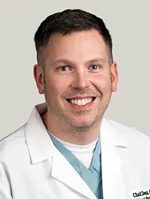 Chad Dean, MD, FASA
University of Chicago
Why are you interested in running?
Obstetric anesthesia has been the cornerstone of my clinical career for nearly a decade from managing complex high-risk parturients to mentoring the next generation of obstetric anesthesiologists. AASPD has been a community to help me grow and refine my role as a program director. It’s this community that motivates me to seek a position as councilor in hopes to help shape the direction of our specialty at a broader level.
If elected, my focus will center on two main areas: education and outreach. I want to work to expand opportunities for fellows to present beyond only at annual meetings seeking opportunities through SOAP like the webinar series Cases on Point-of-Care Ultrasound which quarterly allows fellows opportunity to present to a national audience. These have a secondary effect of creating mentorship pathways across career stages. On the outreach front, I am passionate about reaching the next generation early. I would like to work with various societies to reach medical students and early residents through dedicated meet and greet events at ASA and SOAP. Fellowship programs are struggling to recruit candidates, partially because we haven’t done a good job of highlighting our value. I hope to introduce medical students and residents to the importance (and fun) of obstetric anesthesia before they have fully mapped their careers, planting interest and building a pipeline of future colleagues who feel welcomed into our specialty from the very start.
Bio
I’m an Assistant Professor in the Department of Anesthesia and Critical Care at the University of Chicago currently serving as interim Section Chief and for the last four years as Program Director of the Obstetric Anesthesia Fellowship. I completed residency at Case Western Reserve University and an Obstetric Anesthesia fellowship at the University of Pittsburgh Medical Center before joining the University of Chicago faculty in 2019. My primary academic interest is in medical education where I have lectured to undergraduate students on obstetric pain, taught and mentored third year medical students on their anesthesia clerkship, and served as director of the obstetric anesthesia resident rotation successfully increasing the number of residents interested in pursuing obstetric anesthesia.
I am co-creator of the Cases on Point-of-Care Ultrasound in OB Anesthesia (COPUS) webinar series, a quarterly educational program hosted through SOAP that has now reached sixteen sessions and a global audience of trainees and faculty. I served as associate section editor for obstetric anesthesia on Open Anesthesia, contributing to curating and expanding the field's educational resources. As a member of the ASA’s Committee on Young Physicians, I have worked with colleagues to improve access to educational resources for newly graduated anesthesiologists.
 Stephanie Katharine Woodward, MD
Vanderbilt University Medical Center
Why are you interested in running?
I am the current OB anesthesia councilor and have really enjoyed my first term in the position! I am seeking a 2nd term in this position. Last year I was able to moderate a panel as well as run the OB anesthesia session at the yearly meeting. I also hold a more casual meeting at the yearly SOAP meeting for all the program directors and have been able to establish relationships with many of the program directors throughout the country. I am very involved in SOAP as the chair of the curriculum development subcommittee - we are working to help have a coordinated effort between the two organizations which has been fun and innovative. I'm also on the SOAP education committee and the ASA committee for residents and medical students which allows me to have insight into different organizations and networks to help continue to advance the field and education within our cohort.
Bio
I am currently the OB anesthesia fellowship director at Vanderbilt University Medical Center. I am heavily involved in multiple national organizations, including (but not limited to) the SOAP education committee, the chair of the SOAP curriculum development subcommittee, and the ASA committee for residents and medical student. I have been the OB council for 2 years and am seeking a second term. My interests include education, mentorship, and global health. Outside of work, I enjoy hiking, yoga, skiing, painting, and playing with my baby, husband, and aussiedoodle.
Candidate for Councilor – Pain Medicine
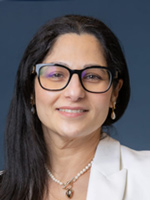 Dalia H. Elmofty, MD, FASA, FASRA
University of Chicago
Why are you interested in running?
I am seeking a Council position for pain within AASPD/SAAAPM because I believe this is an important opportunity to contribute to the future of Pain Medicine fellowship education at a national level. As Program Director of the Pain Medicine Fellowship at the University of Chicago, and previously Associate Program Director and Chair of our fellowship Clinical Competency Committee, I have developed a strong appreciation for both the opportunities and challenges facing Pain Medicine program directors. My career as an educator has focused on curriculum development, competency-based education, simulation, assessment, mentorship, and creating meaningful educational experiences for trainees. I am particularly interested in how we can strengthen fellowship education while recognizing the increasingly multidisciplinary nature of our specialty and the different backgrounds and experiences that fellows bring to training. I believe AASPD provides an ideal forum for program directors to share successful approaches, address common challenges, and develop educational strategies that can benefit programs nationally.
I would also bring to Council a broad perspective from my leadership and educational work across multiple Pain Medicine and anesthesiology organizations. I have served in national educational leadership roles within ASA, ASRA Pain Medicine, and NANS; currently serve on the APPD Research Committee; and have held regional leadership roles including President of the Midwest Pain Society. My work has consistently centered on education, mentorship, curriculum innovation, faculty development, quality improvement, and advancing the professional development of residents, fellows, and faculty. I am interested in serving on Council not simply to hold another leadership position, but to represent the practical needs of Pain Medicine fellowship programs, strengthen collaboration among program directors, and help develop solutions to the evolving educational challenges facing our specialty. I would welcome the opportunity to contribute my experience while also learning from other program directors and helping AASPD continue to advance the quality and consistency of Pain Medicine fellowship training nationally.
Bio
Dalia H. Elmofty, MD, FASA, FASRA, is an Associate Professor of Anesthesia and Critical Care and Pain Medicine at the University of Chicago, where she serves as Program Director of the Pain Medicine Fellowship. She is a nationally recognized educator in pain medicine with longstanding interests in fellowship education, curriculum development, simulation, interventional pain medicine, neuromodulation, and patient safety. Her academic work includes peer-reviewed publications, book chapters, clinical guidelines, and educational scholarship, and she has mentored medical students, residents, fellows, and junior faculty throughout her career.
Dr. Elmofty has held numerous leadership roles in national and regional professional organizations. She has served as Chair of the ASA Educational Track Subcommittee on Pain Medicine, holds leadership and committee roles within ASRA Pain Medicine and the North American Neuromodulation Society, and is President of the Midwest Pain Society. She has also been selected to chair the NANS 2027 Annual Meeting and the ASRA Pain Medicine Fall 2028 Meeting and currently serves on the APPD Research Committee. Her professional interests center on advancing pain medicine education, mentorship, multidisciplinary fellowship training, and collaboration among pain medicine educators and program leaders.
Candidates for Councilor – Pediatrics
 Jeremy Deer, MD
Cincinnati Childrens Hospital Medical Center
Why are you interested in running?
The core of my candidacy for pediatric anesthesia councilor with the SAAAPM is built upon a longitudinal career dedicated to graduate medical education, driven by the belief that the role of an academic leader requires a demonstrated ability to both teach and do. From my early days as a high school chemistry teacher to my current roles as a academician and Fellowship Program Director at Cincinnati Children’s, I have focused on building resilient educational frameworks across multiple premier institutions. My background is deeply rooted in operational programmatic management that has provided me with a distinct, multi-institutional perspective on the structural challenges facing our training programs today. I believe that my vast experiences across many different workplace environments enables me to provide significant insight and candor to our Society.
If elected to the SAAAPM Council, my primary objective is to translate this administrative background into proactive, national support for program directors facing a rapidly evolving educational and professional landscape. First, I aim to help programs smoothly navigate impending institutional ACGME changes, specifically focusing on the evolution of trainee case logs to ensure our tracking systems accurately reflect modern clinical complexities while mitigating administrative burden. Second, I am dedicated to equipping program directors with the tools needed to prepare trainees for a constantly changing workforce landscape and job market. The employment model is undergoing significant cultural shifts, and our academic associations must lead the way in adapting recruitment, onboarding, and retention strategies to align with these new workforce realities. By bridging structural ACGME compliance with forward-thinking workforce preparation, I hope to advocate for pediatric training standards that protect program integrity while positioning our graduates to thrive in the modern market. I truly appreciate your support in my candidacy as the pediatric councilor on the SAAAPM council.
Bio
My professional journey began in an unconventional place for a physician: as a high school chemistry teacher. That early experience instilled in me a profound respect for the labor of teaching and a drive to engage modern learners, elements that eventually guided me into medicine. After completing my anesthesiology residency and pediatric anesthesia fellowship at Northwestern, a brief venture into private practice taught me self-reliance and resilience, yet highlighted that my true joy came from clinical teaching. Returning to academic medicine at Lurie Children's Hospital, my approach to our educational programs was focused on building rigorous, innovative, and a supportive training environment. As any program director will tell you, this commitment was truly tested, but ultimately earned commendations and deeply meaningful teaching awards from our most critical skeptics, the trainees.
Over the subsequent years, my path transitioned into navigating broader administrative landscapes across several premier institutions, including Associate Program Director of a large residency program, Pediatric Cardiac Anesthesia program director and Vice-Chief of Education and Faculty Development. These roles have expanded my perspective on programmatic management and allowed me to advocate for educational standards on a national level, both with the American Board of Anesthesiology as an exam question author and as a member of the ACGME Pediatric Anesthesia Case Log Task Force. Parallel to my domestic career, my commitment to education found a vital home in global humanitarian work. Over twelve years with ReSurge International, my involvement grew from clinical volunteering to a seat on the Board of Directors and as the Chair for the Anesthesia committee, where I participate in a global teaching series in Africa and Vietnam and provide bi-weekly board exam mentorship to international scholars. Today, as a Clinical Professor of Anesthesiology at the University of Cincinnati and Program Director at Cincinnati Children's, I hope to weave this entire longitudinal trajectory, from a high school classroom to global and multi-institutional GME leadership, into my service as a pediatric councilor for the Society of Academic Associations of Anesthesiology & Perioperative Medicine.
 Chinedu G. Otu, MD
Texas Children's Hospital/Baylor College of Medicine
Why are you interested in running?
I’m interested in serving as AASPD Pediatric Anesthesiology Councilor because I have seen firsthand the impact that meaningful collaboration among program directors can have on fellowship education, and I would welcome the opportunity to foster those connections on a broader scale. One of the most rewarding aspects of my involvement in the Society for Pediatric Anesthesia’s Pediatric Anesthesiology Program Directors’ Association has been collaborating with colleagues from fellowship programs of varying sizes and institutional structures to develop practical, high-quality, accreditation-aligned experiences for our trainees. The willingness of pediatric anesthesiology program directors to openly exchange ideas and support one another has strengthened our specialty and shaped my own approach to leadership. If elected, I hope to bring that same spirit of collaboration to AASPD by serving as a connector among fellowship leaders across anesthesiology subspecialties.
As AASPD Councilor, I would welcome the opportunity to facilitate the exchange of educational innovations, practical resources, and successful practices while fostering productive dialogue around the shared challenges facing anesthesiology fellowship education. Opportunities related to recruitment, accreditation, curriculum development, and fellow preparation extend across our subspecialties, and I believe we can learn greatly from one another while preserving the unique needs of each discipline. I would also welcome opportunities to partner with organizations such as the ACGME, the American Board of Anesthesiology and the Society for Pediatric Anesthesia to help ensure that evolving educational initiatives are informed by fellowship leaders and implemented in practical, meaningful ways. Ultimately, I hope to help build a community in which fellowship leaders share solutions openly, support one another, and work together to continually advance graduate medical education.
Bio
I earned my medical degree from the University of Kentucky College of Medicine, completed my anesthesiology residency at Beth Israel Deaconess Medical Center and completed fellowship training in both pediatric anesthesiology and pediatric cardiac anesthesiology at Boston Children’s Hospital. I currently serve as Fellowship Program Director for the Pediatric Anesthesiology Fellowship Program at Texas Children’s Hospital/Baylor College of Medicine after previously serving as Associate Program Director.
Throughout my time in educational leadership, I have navigated many of the challenges facing fellowship programs, including fluctuating recruitment patterns, evolving accreditation standards, and the implementation of new educational initiatives. These experiences have reinforced my commitment to graduate medical education and to building a fellowship program that balances educational excellence with the evolving needs of our trainees and pediatric anesthesiology as a specialty.
Candidate for Councilor – Pediatric Cardiac
 Lindsey Loveland, MD, FASA
Children's Hospital of Philadelphia and The University of Pennsylvania Perelman School of Medicine
Why are you interested in running?
I previously served on Council as a pediatric anesthesiology fellowship program director, and that experience is the reason I am running again. The work I valued most was cross-disciplinary: sitting with colleagues from other programs and subspecialties to build the annual meeting program, and finding that the problems we were each solving in isolation — recruitment, assessment, remediation, transitions to practice, faculty development — were largely the same problems whether the program was a core residency or a subspecialty fellowship. SAAAPM is distinctive in bringing residency and fellowship program directors into the same room as chairs and division leaders. Educational change requires all of these groups, and few other venues put them at the same table. Since my last term I have accredited a new advanced pediatric cardiac anesthesia fellowship with the ACGME and currently direct it, which has given me a working view of what a program needs in order to start, stabilize, and grow.
If elected, I would hope to contribute in a few areas. I would like to continue working on annual meeting programming that deliberately brings education-leadership and departmental-leadership perspectives to the same shared problems rather than running them in parallel. I would also like to help members find each other more easily across program types and subspecialties, so that a program director facing an unfamiliar problem can readily learn how someone else has approached it. Finally, I think Council's unusual composition is well suited to discussing workforce and pipeline questions with the chairs and division leaders who direct resources, particularly for programs where a single unfilled position or a single departure has an outsized effect. I would aim for work that produces something members can use in their own departments.
Bio
Dr. Lindsey Loveland completed medical school at The University of Wisconsin School of Medicine and Public Health and residency at The University of Chicago. Following residency, she was a pediatric anesthesiology fellow at Children’s Wisconsin and the Medical College of Wisconsin where she fell in love with pediatric cardiac anesthesia prior to joining as faculty. Following approximately ten years in Wisconsin change and challenge called and she moved to CHOP. Dr. Loveland is a Professor of Clinical Anesthesiology and Critical Care and a Pediatric Cardiac Anesthesiologist at the Children’s Hospital of Philadelphia (CHOP). She is also the Advanced Pediatric Cardiac Anesthesia Fellowship Program Director. Dr. Loveland serves as a Full ABA Applied Examiner and enjoys this immensely. Throughout her career, her focus has been on pediatric cardiac anesthesia and education. While acting as the associate and then program director for the pediatric anesthesiology fellowship at Children’s Wisconsin she has served as a member and on the board of the Pediatric Anesthesiology Program Directors Association (PAPDA) and as a Councilor on the Association of Anesthesiology Subspecialty Program Directors (AASPD) board. Since moving to CHOP and accrediting the Advanced Pediatric Cardiac Anesthesiology Fellowship with the ACGME, she has moved into the Pediatric Cardiac Anesthesiology Program Directors Association (PCAPDA). She is a member of The Congenital Cardiac Anesthesia Society (CCAS) and served on the database committee as well as the SPA wellbeing committee. Currently her focus is on working with her division to grow the advanced pediatric cardiac anesthesiology fellowship and train the future leaders in pediatric cardiac anesthesiology and support the education and development of all members of the division.
Outside of medicine her time is primarily spent keeping her five children; Blaise, Marcus, Arc, Theodore, and Beatrice, from finding ways to hurt themselves, get an education, get into college, stay curious, and learn to navigate the world for themselves. She enjoys horseback riding, dressage in particular, when she has a few moments to herself.
Candidates for Councilor – Regional Anesthesia
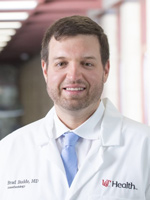 Bradley M. Budde, MD
University of Cincinnati
Why are you interested in running?
I am excited to nominate myself for the SAAAPM AASPD Regional Anesthesia Councilor position. As an Associate Professor of Clinical Anesthesiology at the University of Cincinnati, Director of Regional Anesthesiology and the Anesthesia Inpatient Pain Service and founding Program Director of our Regional Anesthesia and Acute Pain Medicine Fellowship, I have dedicated my career to advancing education, mentorship, and clinical excellence in regional anesthesia. Through my work with trainees, faculty, and multidisciplinary clinical teams, I have developed a deep appreciation for the challenges facing academic regional anesthesiology programs and fellowship training nationwide.
If elected to Council, I would focus on strengthening collaboration among fellowship programs, enhancing mentorship opportunities for junior faculty and fellowship directors, and promoting the sharing of educational resources that can improve training across institutions. I am particularly interested in developing initiatives that support recruitment into regional anesthesiology fellowships, leadership development, and dissemination of best practices in acute pain medicine. I also believe the Council can play an important role in fostering multi-institutional educational and quality improvement collaborations that advance patient care while providing meaningful scholarly opportunities for trainees and faculty. My goal would be to serve as an engaged advocate for academic regional anesthesiology programs and contribute to the continued growth and success of our specialty.
Bio
Dr. Bradley M. Budde is an Associate Professor of Clinical Anesthesiology at the University of Cincinnati College of Medicine and serves as Director of Regional Anesthesiology and Director of the Anesthesia Inpatient Pain Service at the University of Cincinnati Medical Center. He completed his medical degree at the University of Cincinnati, anesthesiology residency training at Rush University Medical Center, and fellowship training in Regional Anesthesia and Acute Pain Medicine at Mayo Clinic Florida. Since joining the University of Cincinnati faculty in 2017, he has developed and led programs focused on regional anesthesia, perioperative pain management, and trainee education.
Dr. Budde is the founder and Program Director of the University of Cincinnati Regional Anesthesia and Acute Pain Medicine Fellowship and has a longstanding commitment to education, mentorship, and professional service. He currently serves on the ASRA Pain Medicine Membership Committee and has been involved in national initiatives supporting fellowship education and recruitment, including the Fellowship Match Committee and the Regional Anesthesia Fellowship Directors Association. His academic interests include regional anesthesia, acute pain medicine, opioid stewardship, and perioperative quality improvement. Through his leadership, teaching, and scholarship, he remains dedicated to advancing the field of regional anesthesiology and supporting the next generation of anesthesiologists.
 Brett Elmore, MD
UVA Health
Why are you interested in running?
Fellowship training in regional anesthesiology is at an inflection point. With an aggressive job market pulling residents directly into private practice, our biggest challenges right now are recruitment, retention, and keeping our subspecialty essential. For years, I have navigated this reality on the ground as program director of a hybrid fellowship, successfully balancing the distinct regulatory, operational, and clinical demands of both ACGME-accredited and non-accredited fellows. I know what it takes to recruit our best anesthesiology residents in competitive cycles, keep trainees engaged, and run a program that delivers high-value training regardless of accreditation track.
I am running for Councilor to bring this practical, frontline perspective to the AASPD. Future-proofing our specialty means making fellowship training an undeniable career advantage, not just an extra year of training. That requires modernizing our curricula with high-yield skills like advanced POCUS, addressing burnout, and giving program directors realistic tools to attract and retain great candidates. Serving on the RAFDA Board of Directors has reinforced my commitment to clear, cross-organizational collaboration. As Councilor, I will represent the full spectrum of our training programs—accredited, non-accredited, and hybrid—and work to ensure regional fellowship leadership has a strong, pragmatic voice in guiding where our field goes next.
Bio
Dr. Brett Elmore is an Associate Professor of Anesthesiology and Adjunct Professor of Orthopaedic Surgery at UVA Health, where he serves as the Program Director for the Regional Anesthesiology and Acute Pain Medicine (RAAPM) Fellowship, overseeing a comprehensive hybrid program that trains both ACGME-accredited and non-accredited fellows. He earned his medical doctorate from the University of Alabama School of Medicine, completed his anesthesiology residency at the University of Kentucky, and finalized his RAAPM fellowship at the University of Virginia. Deeply committed to the growth and standardized excellence of fellowship education, Dr. Elmore serves on the Board of Directors for the Regional Anesthesiology Fellowship Directors Association (RAFDA) and co-founded the POCUS Power Hour curriculum for RAAPM fellows. His national service also includes leadership as Vice Chair of the American Society of Regional Anesthesia (ASRA) Pain Medicine Physician Mentoring and Leadership Development Special Interest Group, former Vice Chair of the ASRA Website Committee, and appointments on the ASA Educational and Abstract Review Subcommittees on Regional Anesthesia and Acute Pain.
Dr. Elmore would be honored to serve as the SAAAPM/AASPD Councilor for Regional Anesthesia, bringing experienced advocacy for fellowship leaders navigating evolving accreditation models and training pathways. His academic focus centers on advanced regional techniques, clinical operations, anatomical education, and the professional mentorship of trainees and junior faculty. A frequently invited speaker and workshop instructor at ASA, ASRA Pain Medicine, SAMBA, and SCA annual meetings, he is dedicated to strengthening collaboration among academic program directors nationwide. Dr. Elmore lives in Charlottesville, Virginia, with his wife, Lanna, their two children, and their three dogs. Dr. Elmore prefers to use his remaining five available minutes each day enjoying vinyl records with American whiskeys.
 Kellie Jaremko, MD, PhD
Johns Hopkins School of Medicine
Why are you interested in running?
I am seeking the opportunity to serve as Regional Councilor for the AASPD because I am passionate about shaping the future of anesthesiology subspecialty education at a time of rapid advancement in clinical science, technology, simulation, and competency-based medical education. As Program Director of the Johns Hopkins Regional Anesthesiology and Acute Pain Medicine Fellowship, I have led fellowship curriculum redesign, expanded clinical training opportunities, developed innovative educational programming, and worked to strengthen trainee assessment and mentorship. These experiences have reinforced my belief that fellowship leaders play a critical role not only in training individual physicians, but also in defining the standards, educational priorities, and collaborative networks that will guide our specialty for years to come.
If elected, I would work to foster collaboration among subspecialty program directors, promote the sharing of educational best practices, and support initiatives that advance fellowship training across institutions. Through my leadership experience within national organizations including ASRA Pain Medicine, ASA, AAPM, and the Regional Anesthesia Fellowship Directors Association, I have seen the value of building communities that connect educators, mentors, and trainees around common goals. I am particularly interested in leveraging innovations in simulation, educational scholarship, mentorship, and interdisciplinary collaboration to enhance trainee development and prepare the next generation of anesthesiologists for an evolving healthcare environment. I would be honored to contribute to the Council's mission of strengthening communication, innovation, and collective leadership among anesthesiology subspecialty training programs nationwide.
Bio
Dr. Kellie M. Jaremko, MD, PhD, is an Assistant Professor in the Department of Anesthesiology and Critical Care Medicine at Johns Hopkins University School of Medicine, where she specializes in regional anesthesiology, acute pain medicine, and perioperative pain management. She serves as Program Director of the Johns Hopkins Regional Anesthesiology and Acute Pain Medicine Fellowship and is recognized for her commitment to medical education, mentorship, and curriculum innovation. Since assuming fellowship leadership roles in 2022 and becoming Program Director in 2024, she has led a comprehensive redesign of the fellowship curriculum, expanded clinical training opportunities, enhanced milestone-based assessment and feedback systems, and expanded the fellowship program’s involvement in multidisciplinary pain conferences, multi-institutional point-of-care ultrasound education, and journal clubs. Her educational scholarship includes publications and national presentations focused on medical education, mentorship, trainee development, professional society engagement, and regional anesthesia education. She is also Co-Principal Investigator on a competitively funded Women's Board of Johns Hopkins Hospital grant supporting simulation-based innovations in regional anesthesia education.
Nationally, Dr. Jaremko is an active leader within several national societies and has contributed extensively to advancing education, mentorship, and professional development in anesthesiology and pain medicine. She has held leadership positions within the American Society of Regional Anesthesia and Pain Medicine (ASRA Pain Medicine), the American Academy of Pain Medicine (AAPM), and the American Society of Anesthesiologists (ASA), including founding ASRA's Resident and Medical Student Pain Education Special Interest Group and Trainee Mentor Match Program. Through national workshops, webinars, mentorship initiatives, invited lectures, and service on educational and membership committees, she has helped shape trainee engagement and physician leadership development across the specialty. Her work has established her as a respected educator, mentor, and national advocate for excellence in regional anesthesia and acute pain medicine, and for the professional growth of future generations of physicians.
 Mandip Singh Kalsi, MD
Hospital for Special Surgery
Why are you interested in running?
I am interested in running for AASPD Council because I want to work with national leaders to help improve how we train anesthesiologists. I have found that the work with the most impact happens between programs rather than inside any one of them. As Director of the Regional Anesthesiology and Acute Pain Medicine fellowship at Hospital for Special Surgery, and as President of the Regional Anesthesiology Fellowship Directors Association, I have seen the tremendous impact that vision, collaboration, and hard work can produce. I helped move RAAPM fellowships onto a centralized SF Match, which gave applicants a uniform timeline and freed them from exploding offers, and which required enough sustained conversation among program directors that it became the foundation for a formal directors association. It also gave us our first real visibility into applicant volume, fill rates, and interest trends. I also led my program through ACGME accreditation, a process that resulted in a revision to the ACGME’s requirements for sponsoring institutions.
On Council I am interested in learning from each other’s perspectives, experiences, and ideas. I want to learn from the other subspecialties, their rules and their positions. I look forward to being part of the dialogue among fellowship directors, chairs, and core program directors, and to the positive outcomes that can come from it. I would also welcome the chance to help plan Annual Meeting programming, which for many of us is the one time each year we can work through these questions together. I am particularly interested in shared benchmarking data across subspecialties, and in the harder work of understanding it. Fellowship interest and what trainees want from academic medicine have shifted, and those shifts trace to generational change, advances in technology and surgical practice, and broader pressures on the profession. That deserves real study and investigation rather than treatment as a recruitment problem. I would also work on structured onboarding for new fellowship directors, who inherit the role with little guidance, and on how technology can facilitate education, assessment, and program administration. For regional anesthesiology and acute pain medicine specifically, I am beginning the effort toward ABA subspecialty board certification, and the questions that work raises about standards, assessment, and what a fellowship should guarantee are ones every subspecialty has a stake in. I would like to learn from and collaborate with the AASPD Council, whose members have done similar work in other subspecialties.
Bio
Mandip Singh Kalsi, MD is an attending anesthesiologist at Hospital for Special Surgery, Clinical Assistant Professor of Anesthesiology at Weill Cornell Medicine, and Associate Vice Chief of Academic Affairs in the Department of Anesthesiology, Critical Care & Pain Management. He has directed the HSS Regional Anesthesiology and Acute Pain Medicine Fellowship since 2021, which accepts twelve fellows annually. He led the program through ACGME accreditation, and that process resulted in a revision to the ACGME’s requirements governing sponsoring institutions. He serves on the HSS Graduate Medical Education and Fellowship Education Committees.
He is President of the Regional Anesthesiology Fellowship Directors Association. Dr. Kalsi received his medical degree from the Perelman School of Medicine at the University of Pennsylvania, completed an internal medicine internship at Thomas Jefferson University, trained in anesthesiology and critical care at the University of Pennsylvania, and completed his RAAPM fellowship at HSS. He held a faculty appointment at Yale University before returning to HSS in 2015. He is board certified by the American Board of Anesthesiology and has completed training in medical education through the Training to Teach in Medicine program at Harvard Medical School, simulation and acute crisis resource management instructor training at Stanford University School of Medicine, and the RISE peer support program at the Johns Hopkins Armstrong Institute for Patient Safety and Quality.
 Carolyn Thai, DO
Columbia University Irving Medical Center
Why are you interested in running?
I am seeking the Councilor – Regional Anesthesiology position. As a Fellowship Program Director at Columbia University Medical Center, my clinical and educational leadership have provided me with valuable experience working across multidisciplinary teams. In doing so, I have successfully integrated regional techniques into surgery protocols and expanded our service from a predominantly perioperative adjunct into an integral component of multimodal analgesia, including within the Intensive Care Units. These experiences have reinforced my belief that regional anesthesiology offers a wealth of opportunities to improve patient care through innovation, collaboration, and education. Our subspecialty is at an important juncture, particularly as we navigate changes in interest among applicants pursuing fellowship training. I am passionate about helping inspire and attract the next generation of regional anesthesiologists by highlighting the wide breadth and impact of our specialty.
As Councilor, I am committed to working collaboratively with SAAAPM leadership and its members to strengthen initiatives that foster education and advance professional development. I would be honored to contribute my experience, perspective, and enthusiasm to help promote excellence in Regional Anesthesiology.
Bio
Carolyn Thai, DO is an Assistant Professor of Anesthesiology at Columbia University Irving Medical Center, where she is the Program Director of the Regional Anesthesiology and Acute Pain Medicine Fellowship program. Dr. Thai completed her internship at Yale University School of Medicine, her anesthesiology residency at Washington University in St. Louis School of Medicine, and fher ellowship in Regional Anesthesiology and Acute Pain Medicine at Columbia University Irving Medical Center. She specializes in ultrasound guided peripheral nerve blocks and perioperative pain management. In addition to teaching medical students, residents, and fellows, her interests include patient safety and quality improvement. Dr. Thai serves on the Patient Safety and Women Physicians sub-committees of the New York State Society of Anesthesiologists and as a Member-at-Large on the ASRA Pain Medicine Newsletter Committee.
Quick Links

Access SAAAPM Exchange, our members-only community to share ideas, ask questions, and connect with colleagues in academic anesthesia.
SAAAPM Job Board
Submit your vacant faculty positions to the SAAAPM Job Board! Post, browse, and find your next opportunity today.